Aircon
Aircon Relocation in Singapore: Moving a Unit
Sometimes an aircon ends up in the wrong spot — after a layout change, a new bed position, or a renovation. Relocating a unit is doable, but it’s more involved than it looks. Here’s what to know.
Key takeaways
- Relocating involves re-running piping, drainage and wiring.
- Best done during renovation, so runs can be concealed.
- Correct drainage gradient matters to avoid leaks.
- Plan placement for even cooling and servicing access.
What’s involved
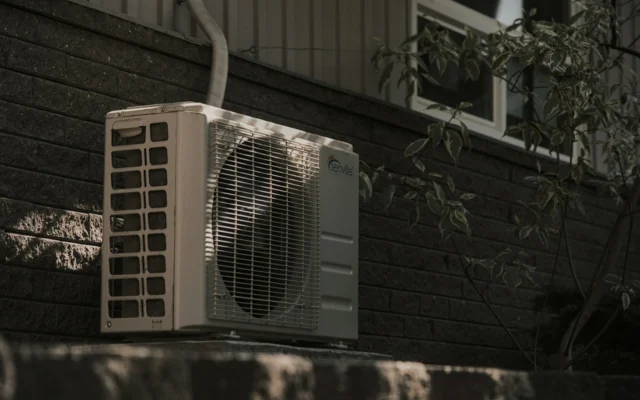
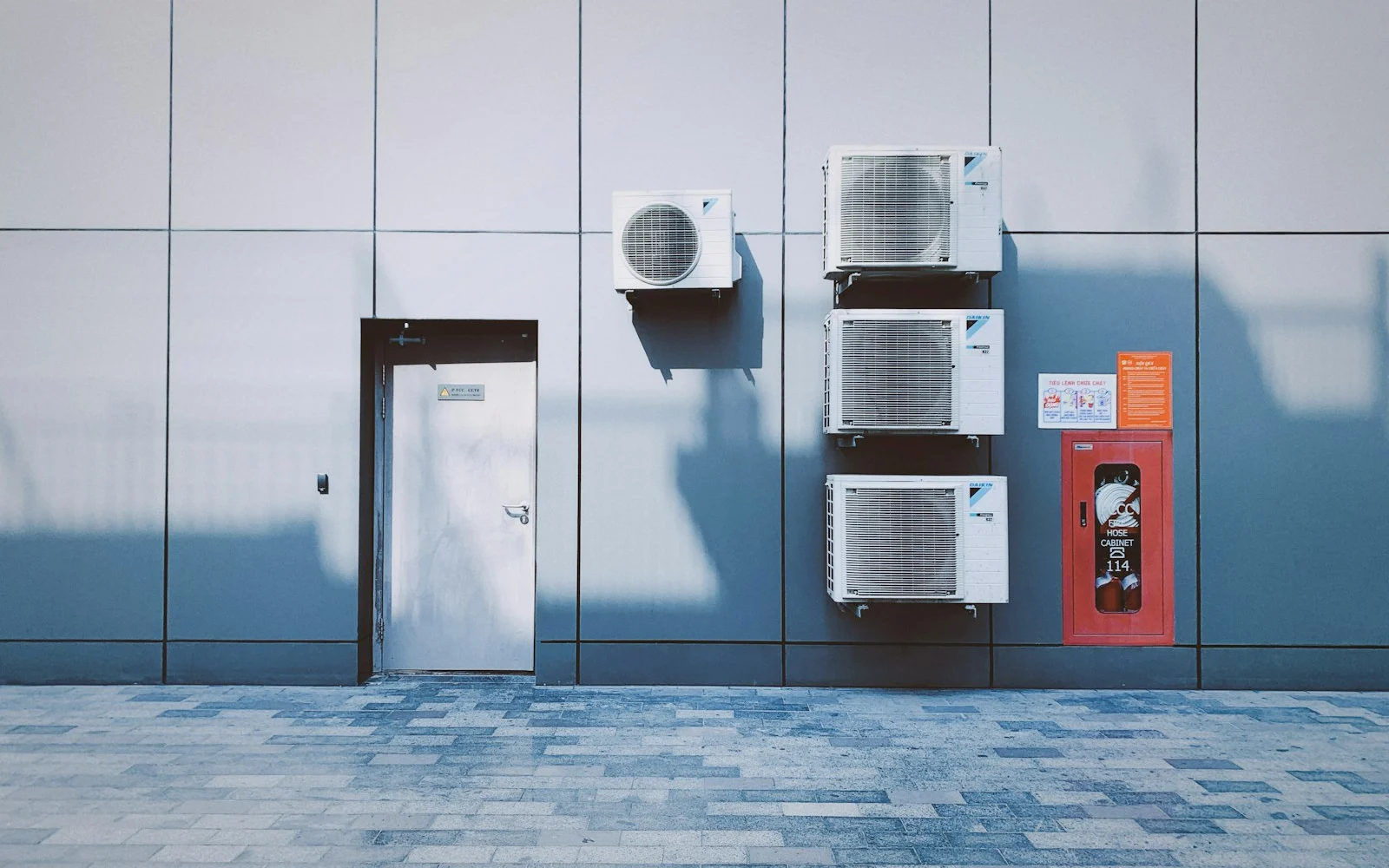
Moving an indoor (or outdoor) unit means re-routing the refrigerant piping, condensate drainage and wiring to the new position, remounting the unit, and re-commissioning the system. It’s more than unbolting and rehanging — the services have to follow.
Why timing matters
Because it involves piping and wiring that ideally run concealed, relocation is far cleaner during a renovation (behind a bulkhead or false ceiling) than as a standalone job with surface trunking.
Getting it right
The drainage gradient must be correct at the new location or the unit will leak, and placement should give even cooling and servicing access. It’s skilled aircon work.
Frequently asked questions
Can I move my aircon to another wall? Yes — but it means re-running piping, drainage and wiring to the new spot.
When is the best time to relocate? During renovation, so the new runs can be concealed.
Why does placement matter? For even cooling, servicing access, and correct drainage to avoid leaks.
Is it a big job? More involved than it looks — best done professionally.
Need to move an aircon?
We relocate aircon units with proper piping, drainage and mounting. See our aircon service. Get a free quote today.