Maintenance
Bathroom Ventilation in Singapore: Beating Damp & Mould
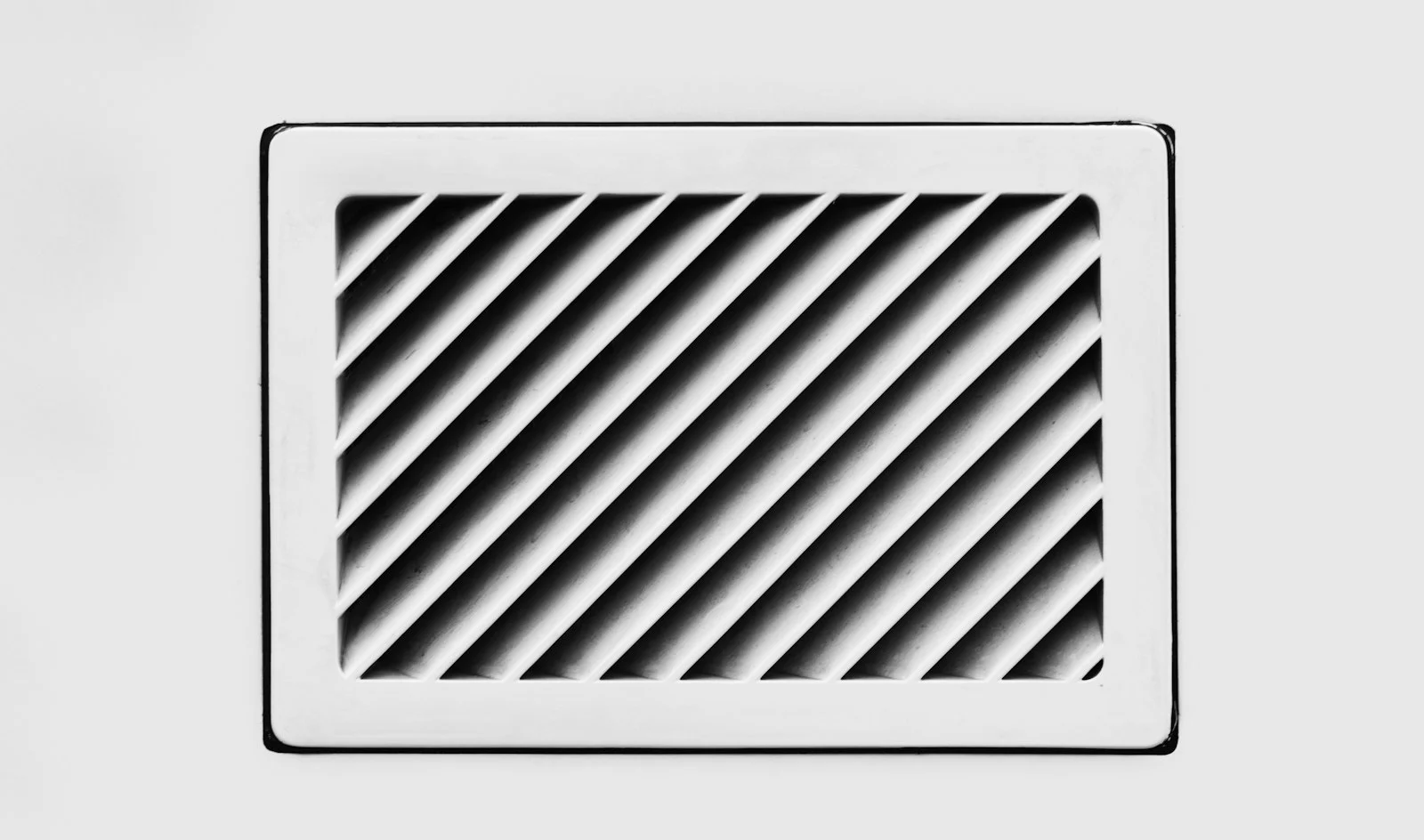
In Singapore’s humidity, a poorly ventilated bathroom stays damp long after a shower — feeding mould, peeling paint and lingering smells. Improving ventilation is one of the most effective ways to keep a bathroom healthy. Here’s how.
Key takeaways
- Poor ventilation traps moisture — the root of mould, smells and peeling.
- An exhaust fan is the most effective fix for windowless bathrooms.
- Keep existing vents and windows clear and used.
- Ventilation works alongside — not instead of — good mould control.
Why ventilation matters
Every shower releases a lot of moisture. Without a way out, it settles on cool surfaces and lingers, creating the damp conditions mould loves and gradually damaging paint and sealant. Good airflow clears that moisture quickly.
Ways to improve airflow
For a bathroom without a window, an exhaust fan vented properly is the most effective solution — it actively pulls damp air out. Where there’s a window or existing vent, keep them clear and actually use them, and leave the door ajar after showering to let moisture escape. Fitting or upgrading a fan is an electrical job worth doing.
Part of a bigger picture
Ventilation is one piece — pair it with prompt cleaning, sound sealant and good waterproofing to keep a bathroom genuinely dry and mould-free.
Frequently asked questions
How do I stop my bathroom smelling damp? Improve ventilation — an exhaust fan clears moisture that causes damp smells and mould.
Do windowless bathrooms need a fan? Yes — an exhaust fan is the most effective way to remove moisture.
Will ventilation stop mould? It’s a major help alongside cleaning, sound sealant and waterproofing.
Is fitting an exhaust fan a big job? Usually straightforward — an electrician can install or upgrade one.
Damp bathroom?
We fit exhaust fans and fix the damp-related issues behind mould. See our electrical service for fan installation, or our waterproofing service. Get a free quote today.