Electrical
Built-In Oven, Hob & Hood Installation in Singapore
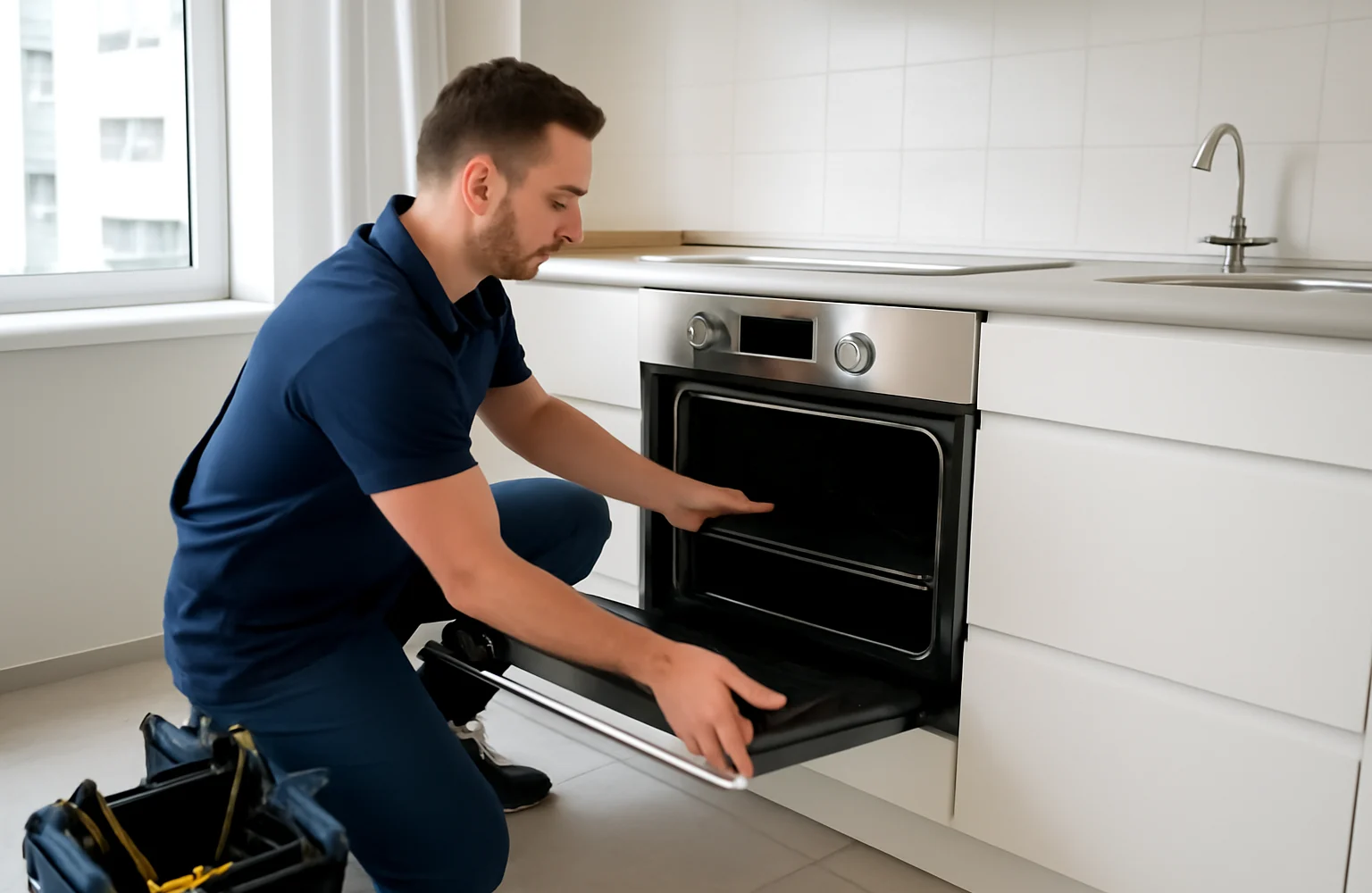
Built-in ovens, hobs and hoods give a sleek, integrated kitchen — but they involve electrical connections, gas (for some hobs), ventilation and a precise cabinetry fit. Here’s what to know.
Key takeaways
- Built-in appliances need a correct electrical supply and cabinetry cut-out.
- Ovens and induction hobs often need a dedicated, higher-rated circuit.
- Hoods need proper ducting/ventilation to work well.
- Gas hobs involve gas connection — use the right qualified person.
What each needs
A built-in oven and an induction hob draw significant power and often need a dedicated, adequately-rated circuit from the board — an electrician’s job. A hood needs correct ducting or filtration to actually clear steam and grease. A gas hob requires a proper gas connection by the appropriate qualified person.
The cabinetry fit
Built-ins must sit precisely in the cabinetry — the right cut-out size, ventilation clearances around the oven, and secure mounting. This is why appliance choices are best confirmed before the kitchen carpentry is built, during a renovation.
Get it done safely
Because it combines electrical (and sometimes gas) with a precise fit, built-in appliance installation is worth doing professionally — safe connections, proper ventilation, and a clean, level finish.
Frequently asked questions
Do built-in ovens need a special circuit? Often yes — ovens and induction hobs typically need a dedicated, higher-rated circuit.
Does a cooker hood need ducting? For best performance, yes — proper ducting or filtration clears steam and grease.
Can I install a gas hob myself? No — gas connections must be done by the appropriate qualified person.
When should I plan appliance installation? Confirm appliances before the kitchen carpentry so cut-outs and supply are right.
Fitting out a kitchen?
We install built-in ovens, hobs and hoods with safe connections and a clean fit. See our electrical service or plan it into a renovation. Get a free quote today.