Carpentry
Built-in wardrobes and carpentry in Singapore: a practical guide
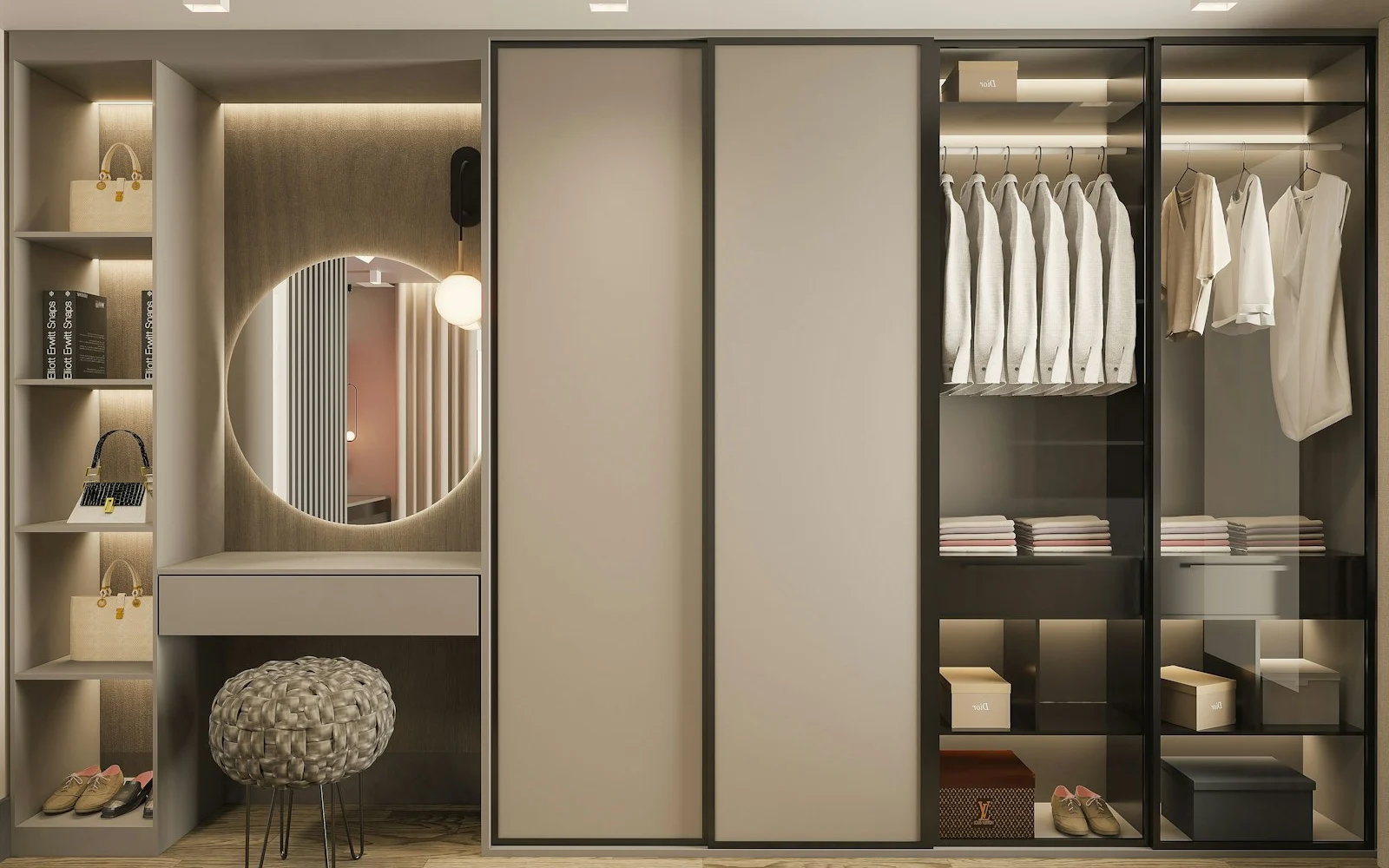
In Singapore’s compact homes, built-in carpentry is where good design earns its keep — a well-planned wardrobe, kitchen or storage wall turns awkward corners and full-height space into usable storage that free-standing furniture never could. But carpentry is also one of the largest line items in most renovations, so it pays to understand the choices and costs. This guide covers built-in wardrobes and carpentry in Singapore: materials, cost drivers, and how to get storage that lasts.
Key takeaways
- Built‑ins maximise storage and give a seamless, tailored look.
- Carcass material and hardware quality drive both durability and cost.
- Sound existing carpentry can often be refreshed rather than rebuilt.
- Measure and build carpentry after other trades for a precise fit.
Why built-in beats free-standing
Built-in carpentry is made to measure for your exact space — floor to ceiling, wall to wall — so there are no wasted gaps, no dust-collecting tops, and a seamless, integrated look. In a small flat, that full-height, wall-to-wall efficiency can dramatically increase storage without eating floor space, which is exactly why it’s so popular here despite costing more than off-the-shelf furniture.
What drives carpentry cost
- Length and height — carpentry is often priced by the running foot, so more of it costs more; full-height uses otherwise-wasted space efficiently.
- Carcass material — plywood is more moisture-resistant and durable (and pricier); particleboard/MDF is more economical.
- Door fronts and finish — laminate, spray paint, fluted or glass fronts all sit at different price points.
- Internal fittings — soft-close hinges and runners, pull-out racks, drawers and organisers add cost but also daily usability.
- Complexity — curves, integrated lighting and special hardware raise the price.
Choosing the right materials
The carcass (the box) matters most for longevity. In humid Singapore, and especially near kitchens and bathrooms, moisture-resistant plywood is the safer long-term choice even though it costs more than particleboard — swollen, sagging carcasses are the classic failure of cheap carpentry. For door fronts, laminate is durable and low-maintenance; spray-painted finishes look seamless but are more prone to chips. Good hinges and runners are worth paying for, since you’ll operate them thousands of times.
Repair vs replace
If your existing carpentry is structurally sound but tired, you don’t always need to rebuild — replacing door fronts, hardware and laminate can refresh a wardrobe or kitchen for far less. See our carpentry and repairs service for smaller fixes. A full rebuild makes sense when the carcasses themselves are damaged or the layout no longer works.
Frequently asked questions
Is plywood really worth the extra over particleboard? In Singapore’s humidity, generally yes — plywood resists moisture and lasts longer, especially near wet areas.
How is carpentry usually priced? Commonly by the running foot, plus the cost of the finish, fittings and any special features.
Can you match new carpentry to my existing units? Often yes — we’ll source the closest laminate and hardware match.
How long does built-in carpentry take? It’s fabricated and then installed after other trades; timing is planned around the wider renovation.
The bottom line
Built-in carpentry is the smart way to maximise storage in a compact home — invest in a moisture-resistant carcass and good hardware, choose a finish that suits your use, and it’ll serve you for years.
Planning built-ins? For a full project see our home renovation service; for repairs and smaller fittings, our carpentry service. Get a free quote today.