Renovation
Commercial reinstatement in Singapore: what tenants need to know

If you’re a commercial tenant in Singapore — an office, shop or F&B outlet — reinstatement is one of the most important (and most overlooked) obligations in your lease. Put simply, it means returning the unit to its original condition when the lease ends. Get it wrong, or leave it too late, and you can face disputes with the landlord, forfeited deposits, and last-minute costs. This guide explains what reinstatement involves, what’s usually required, and how to avoid the common pitfalls.
Key takeaways
- Most leases require reinstatement to original condition at the end.
- Budget for it early — it’s an obligation that’s easily overlooked.
- Keep your handover documentation and original condition photos.
- Works are often done after hours to suit the building.
What reinstatement actually means
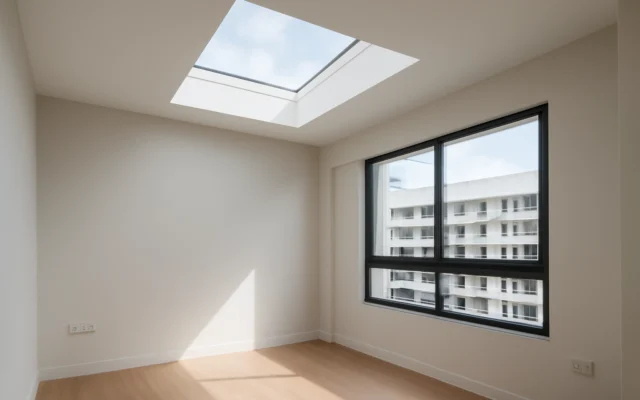
When you first took the unit, it was handed over in a defined condition — often bare (a “warm shell” or “bare shell”) or in a standard fitted state. Over your tenancy you added partitions, fittings, signage, flooring, ceilings and finishes to suit your business. Reinstatement is the process of removing all of that and returning the unit to that original handover condition, making good any damage, so the landlord can lease it again. Your lease and the original handover documentation define exactly what “original condition” means.
What’s typically involved
- Removing partitions, built-in carpentry, fixtures and fittings you installed
- Taking down signage and branding, inside and out
- Removing added flooring, ceilings and wall finishes back to the handover state
- Restoring or capping electrical, data and air-conditioning modifications
- Making good walls, floors and ceilings — patching, levelling and repairing
- Repainting and a thorough final clean
Check your lease early
The single most important step is to read your reinstatement clause well before the lease ends — not in the final weeks. The clause, together with the original handover condition (and any photos or drawings from when you moved in), defines the scope. Some leases require full reinstatement to bare shell; others allow certain improvements to remain if the landlord agrees. Knowing exactly what’s required lets you plan and budget properly, and keeping those original handover records is invaluable for settling any dispute about what “original” was.
Plan the timeline carefully
Reinstatement has to be completed before you hand back the keys and the lease expires — landlords typically won’t accept a partially reinstated unit, and holding over costs money. Because the work often has to be done after your business has moved out (or around a wind-down), and frequently after hours to suit building rules, it needs to be scheduled with a realistic buffer. Leaving it to the last week is how tenants end up paying premium rates or forfeiting deposits.
Avoiding disputes and extra costs
Most reinstatement disputes come down to a mismatch between what the tenant thinks “original condition” was and what the landlord expects. You avoid this by keeping the original handover documentation, agreeing the scope with the landlord in advance where possible, and using a contractor who understands commercial reinstatement and landlord expectations. Documenting the completed reinstatement with photos protects you if anything is queried after handover.
Frequently asked questions
Do all commercial leases require reinstatement? Most do, though the exact scope varies — always check your specific lease clause.
When should I start planning? Well before lease end — ideally months ahead, so the works can be scheduled without a last-minute scramble.
Can I keep some of my improvements? Sometimes, if the landlord agrees in writing; otherwise the default is full reinstatement to handover condition.
Can the same contractor do our fit-out and reinstatement? Yes — using one team across the lease lifecycle keeps it consistent and accountable.
The bottom line
Reinstatement returns a commercial unit to its original condition at lease end. Read the clause early, keep your handover records, plan the timeline with a buffer, and use a contractor who knows what landlords expect — and it becomes a smooth final step rather than a costly scramble.
Ending a commercial lease? See our commercial renovation and fit-out service — we handle reinstatement to landlord requirements. Get a quote today.
Documenting the original condition
The most valuable thing a commercial tenant can do — ideally on day one — is document the unit’s handover condition thoroughly. Photograph every area, keep the handover drawings and the tenancy agreement’s reinstatement clause, and note the state of floors, ceilings, walls and services as you received them. This record is your protection at lease end: it defines exactly what “original condition” means and prevents disputes where a landlord’s memory of the handover differs from yours. Tenants who skip this step often end up over-reinstating (doing more than required) or arguing about scope — both of which cost money and time you don’t have in the final weeks of a lease.
Coordinating with the landlord and building
Smooth reinstatement is as much about coordination as construction. Engaging the landlord or managing agent early to confirm the required scope avoids surprises, and some improvements can occasionally be left in place if the landlord agrees in writing. Building management will usually have rules on working hours, debris removal, use of lifts and protection of common areas — all of which shape the schedule. A contractor experienced in commercial reinstatement handles this coordination as a matter of course, which is why using one who understands the process (rather than a general renovator) makes the final handover far less stressful.