Electrical
EV Charger Installation at Home in Singapore
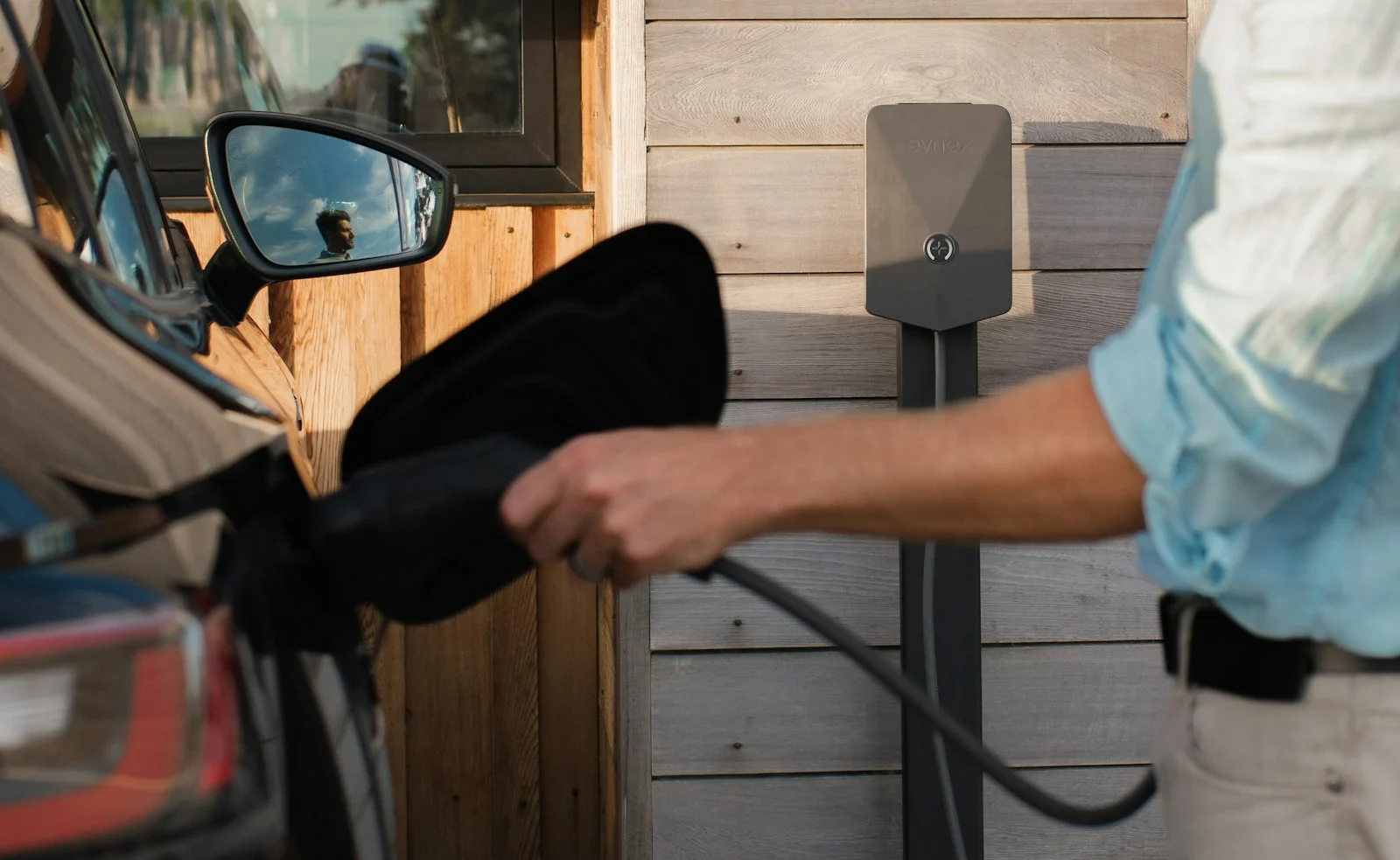
As electric vehicles take off in Singapore, a home charger is a real convenience — but installation involves your electrical capacity, safety and (for condos) approvals. Here’s what to know.
Key takeaways
- A home charger needs a dedicated circuit and adequate electrical capacity.
- Installation must be done by a licensed electrician, safely and to code.
- Landed homes are most straightforward; condos need MCST approval.
- Assess your supply and charger type before committing.
What’s involved
An EV charger draws significant power, so it needs a dedicated circuit from the distribution board and enough electrical capacity to support it safely alongside your other loads. A licensed electrician assesses your supply, installs the charger and protection, and ensures it’s safe and compliant.
Landed vs condo
In a landed home, installing a charger in your car porch is relatively straightforward. In a condo, you’ll need MCST approval and coordination for a charger at your parking lot, as it involves shared infrastructure — similar to other condo works.
Plan it properly
Before buying a charger, have your supply assessed and confirm the charger type and location. Getting the electrical side right ensures fast, safe, reliable charging — not a tripping headache.
Frequently asked questions
Can I install an EV charger at home? Yes — with adequate electrical capacity, a dedicated circuit and a licensed electrician.
Do I need approval in a condo? Yes — MCST approval, as it involves shared infrastructure.
Does it need a dedicated circuit? Yes — an EV charger draws significant power and needs its own protected circuit.
Will my supply support a charger? An electrician assesses your capacity before installation.
Adding an EV charger?
We assess your supply and install home EV chargers safely. See our electrical service. Get a free quote today.