Renovation
Floor Levelling in Singapore: Why It Matters
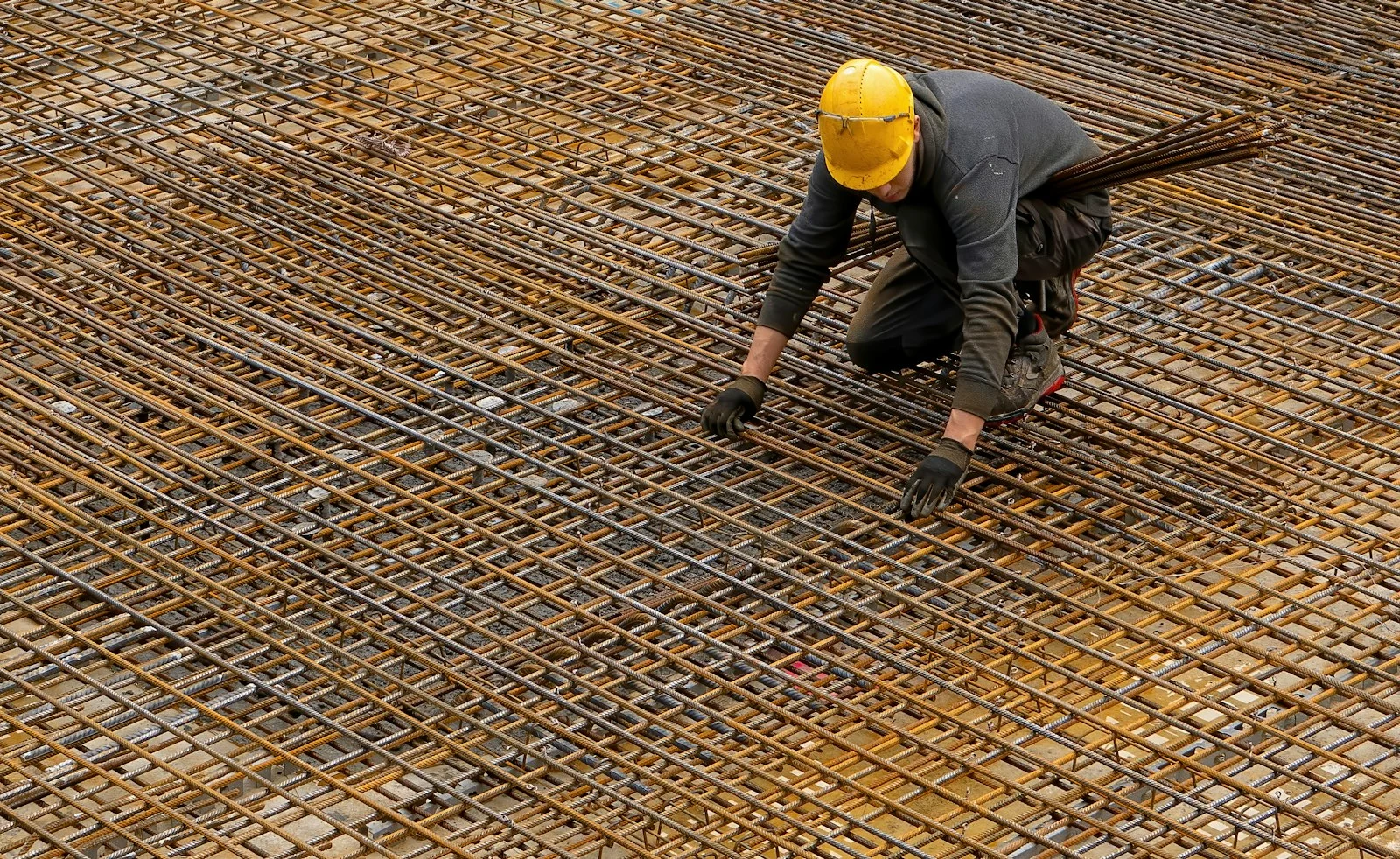
Before a new floor goes down, the surface beneath it needs to be sound and level — otherwise even the best flooring will look and feel wrong. Floor levelling is the unglamorous step that makes the finish right. Here’s why it matters.
Key takeaways
- A level, sound subfloor is essential for any new flooring to look and last right.
- Uneven floors cause lippage, flexing, hollow spots and gaps.
- Levelling uses screed or self-levelling compound.
- It’s a hidden step that’s worth not skipping.
Why levelling matters
Lay flooring over an uneven base and the problems show quickly: tile lippage and hollow spots, planks that flex or creak, gaps at edges, and a surface that looks and feels off. A properly prepared, level base is what lets flooring sit flat, bond well and wear evenly.
How it’s done
Depending on the situation, levelling uses a cement screed to build up and true a floor, or a self-levelling compound to smooth out minor undulations. The right method depends on how much correction is needed and the flooring going on top.
Part of doing flooring right
Whether you’re laying SPC, vinyl, tiles or wood, a good flooring team checks and prepares the base first. It’s a step worth insisting on — it’s far cheaper than lifting a finished floor to fix later.
Frequently asked questions
Why does my subfloor need levelling? An uneven base causes lippage, flexing, hollow spots and gaps in the new floor.
How is a floor levelled? With cement screed for bigger corrections or self-levelling compound for minor ones.
Can I skip levelling to save money? Not advisable — it causes problems that cost more to fix later.
Does every floor type need it? A sound, level base benefits all flooring — tiles, vinyl, SPC and wood.
Laying a new floor?
We prepare and level subfloors before laying flooring properly. See our flooring & tiling service. Get a free quote today.