Renovation
Choosing flooring: vinyl vs laminate vs tiles
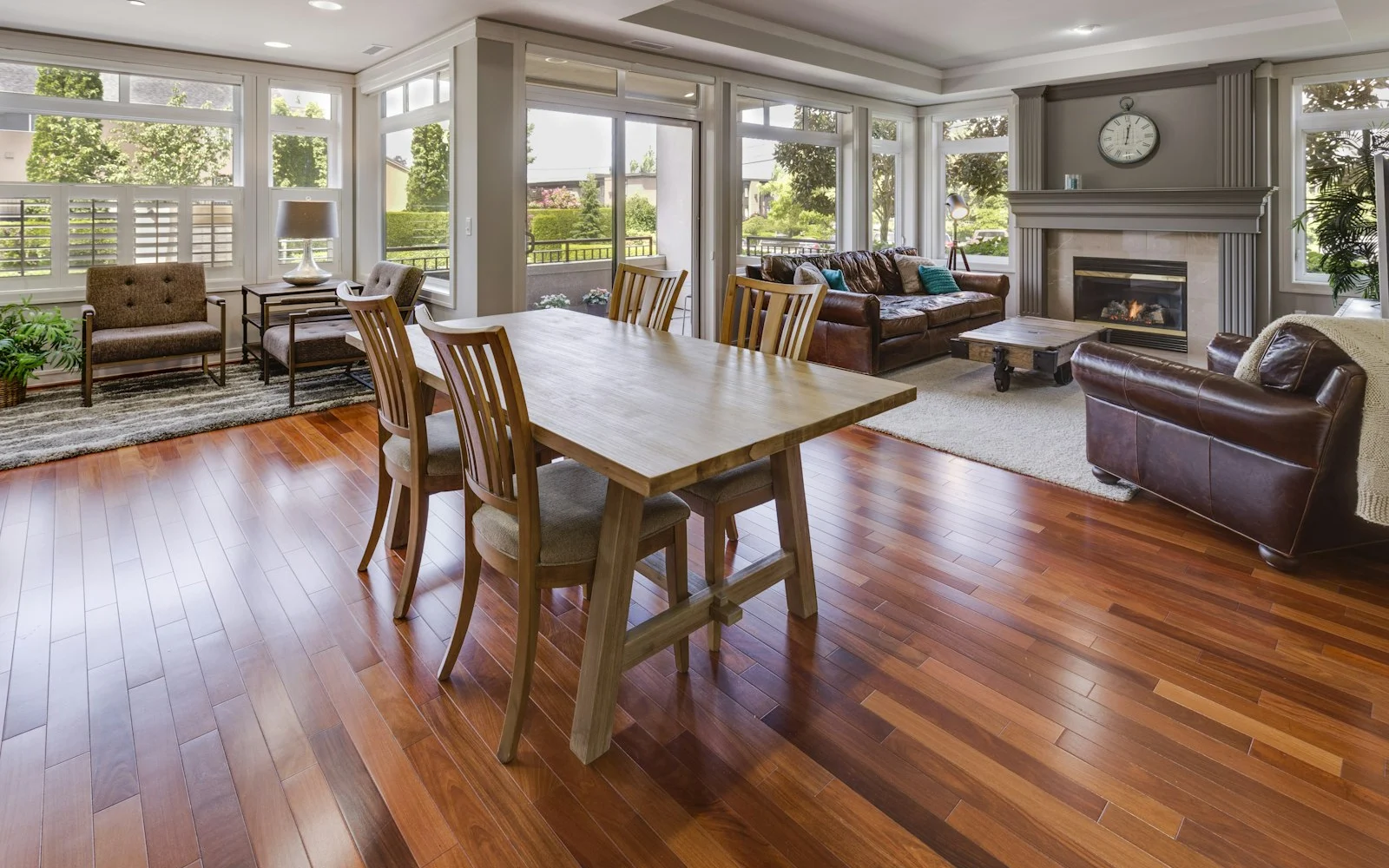
Vinyl, laminate and tiles are the three flooring options most Singapore homeowners weigh up — and each genuinely suits different rooms, budgets and lifestyles. The right choice comes down to how you balance water resistance, durability, comfort underfoot and cost, all in the context of Singapore’s humidity. This guide compares all three head to head, with a side‑by‑side table and honest pros and cons, so you can decide with confidence.
Key takeaways
- Vinyl — warm, quiet, highly water‑resistant, and often laid as an overlay without hacking. The best all‑rounder for HDB living areas and bedrooms.
- Laminate — a tough, budget‑friendly wood look, but poor with water — keep it to dry rooms.
- Tiles — the most durable and water‑resistant, ideal for wet areas, but hard, cold underfoot and needs hacking to install.
- Many homes mix them: vinyl/laminate in dry areas, tiles in wet areas.
Side‑by‑side comparison
| Feature | Vinyl | Laminate | Tiles |
|---|---|---|---|
| Water resistance | High | Low–moderate | Very high |
| Durability | Good (can dent) | Good (scratch‑resistant) | Excellent |
| Comfort underfoot | Warm & soft | Firm | Hard & cool |
| Relative cost | $–$$ | $ | $$–$$$ |
| Installation | Overlay possible (no hacking) | Overlay possible | Requires hacking |
| Best for | Living, bedrooms | Dry bedrooms, study | Bathrooms, kitchen, wet areas |
Vinyl flooring
Vinyl has become the default for many HDB homes — warm and quiet underfoot, highly water‑resistant, and often installable as an overlay directly over the existing floor, which makes it fast, clean and cost‑effective.
Pros
- Highly water‑resistant
- Warm and quiet underfoot
- Overlay without hacking — fast, low mess
- Cost‑effective
Cons
- Softer — can dent under heavy point loads
- Synthetic surface, not real wood
- Won’t lift resale like real materials
Laminate flooring
Laminate gives a hard, scratch‑resistant wood look at a friendly price — great for dry rooms, but its core doesn’t tolerate standing water well.
Pros
- Budget‑friendly wood look
- Hard, scratch‑resistant surface
- Overlay possible
Cons
- Poor with water — swells if wet
- Best kept to dry areas only
- Can feel hollow underfoot
Tiles (ceramic & porcelain)
Tiles are the most durable and water‑resistant option, and cool underfoot — the clear choice for wet areas and Singapore’s climate — though installation means hacking the existing floor.
Pros
- Most durable and water‑resistant
- Ideal for wet areas and humidity
- Easy to clean; long lifespan
Cons
- Hard and cold underfoot
- Requires hacking to install (more cost/disruption)
- Grout lines need occasional cleaning
Which should you choose?
- Fast, warm, water‑resistant, overlay without hacking: vinyl — great for HDB living areas and bedrooms.
- Budget wood look for dry rooms: laminate.
- Maximum durability and wet areas: tiles.
A common, sensible approach is to combine them — vinyl or laminate in the dry living spaces and tiles in the wet areas — playing to each material’s strengths. Whichever you choose, proper subfloor preparation is what makes a floor last.
Frequently asked questions
Which flooring is best for a bathroom? Tiles, for water resistance and durability.
Can I lay vinyl over my existing tiles? Often yes, if the tiles are sound and level — a big time and cost saver.
Is laminate okay for a kitchen? Generally not ideal due to moisture; vinyl or tiles are better for kitchens.
Which lasts longest? Porcelain tiles, followed by good‑quality vinyl; laminate trails on water resistance.
The bottom line
Vinyl for warm, water‑resistant, fast‑to‑install living areas; laminate for a budget wood look in dry rooms; tiles for maximum durability and wet areas. Mixing them room by room is often the smartest choice — and good subfloor prep matters whichever you pick.
Choosing a floor? See our flooring and tiling service, and compare engineered wood vs vinyl. Get a free quote today.