Plumbing
How to unclog a toilet (and when to call a plumber)
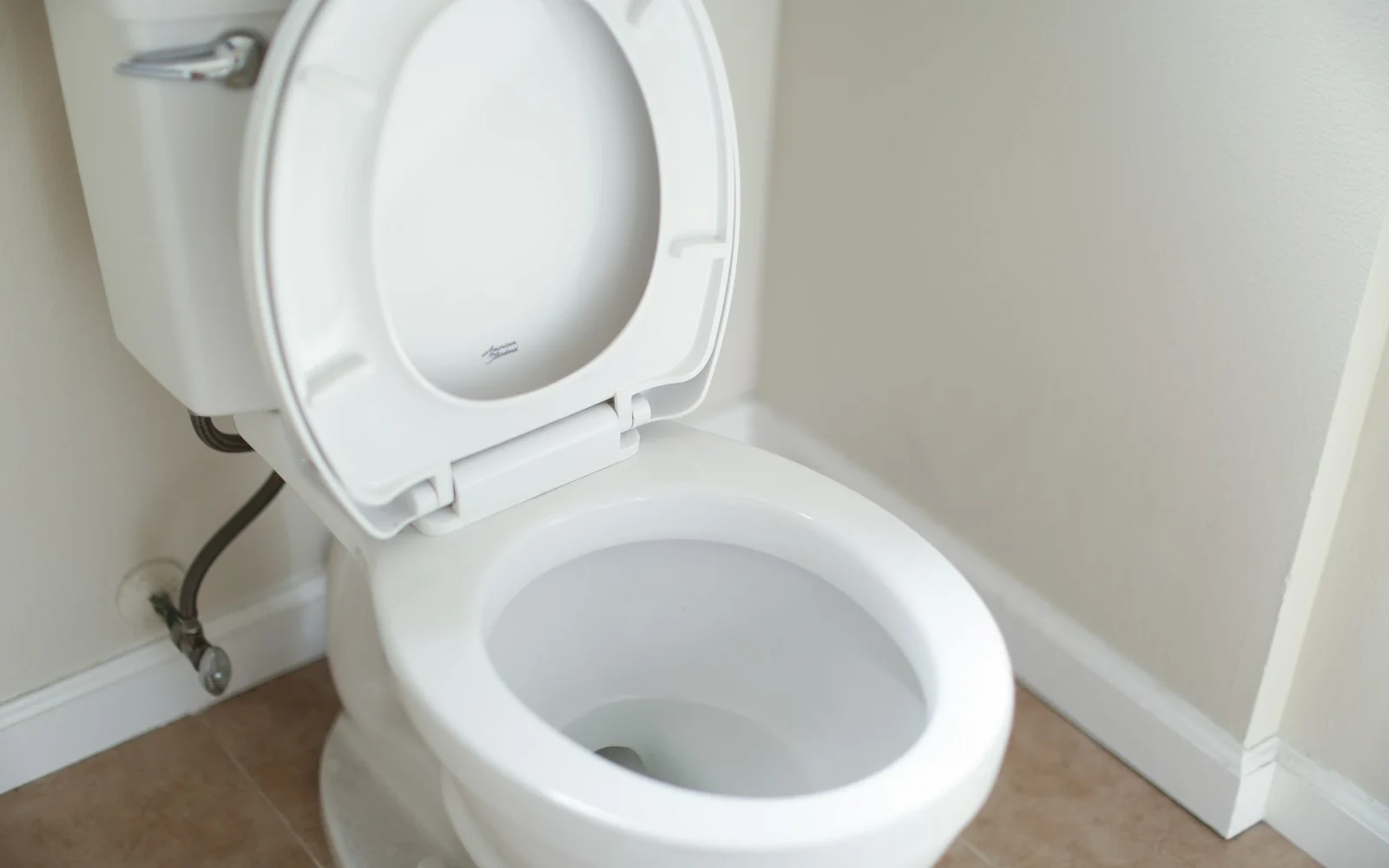
A blocked toilet is a small emergency — stressful, unhygienic, and urgent, especially in a home with only one bathroom. The good news is that many toilet chokes can be cleared with the right technique at home, and knowing how (and what to avoid) can save you a call-out. This guide covers what’s safe and effective to try yourself, what not to do, and the signs that mean the blockage is deeper than a plunger can reach.
Key takeaways
- A flange plunger clears most simple clogs.
- Avoid chemical drain cleaners in toilets — they can damage the bowl and seals.
- A recurring clog or one affecting other drains means a deeper blockage.
- Call a plumber before an overflow causes damage.
First, don’t flush again
If the bowl is already full or draining slowly, resist the urge to flush again hoping it’ll clear — a second flush on a blocked toilet is how you get an overflow. Stop, and give whatever you try a chance to work before flushing to test.
Safe and effective things to try
- Use a proper flange plunger. A toilet (flange) plunger, not a flat sink plunger, gives the seal you need. Ensure there’s enough water in the bowl to cover the plunger head, form a firm seal, and use steady, firm strokes — the push and pull both help shift the blockage.
- Add hot water and dish soap. For a soft blockage, squirt in some dish soap and pour in a bucket of hot (not boiling — boiling can crack the porcelain) water from waist height, then wait 10–15 minutes. The soap lubricates and the hot water helps break things down.
- Use a toilet auger (closet snake) if you have one — it reaches further than a plunger and can hook or break up a stubborn blockage.
What to avoid
Don’t reach for harsh chemical drain cleaners — they’re formulated for sinks, not toilets, can damage the bowl and pipes, and often don’t clear a real blockage anyway, leaving hazardous chemical water sitting in the bowl. Don’t use excessive force with makeshift tools that could crack the porcelain or scratch the glaze. And don’t keep flushing to “test” before you’ve given a method time to work.
When to call a plumber
Some situations are beyond DIY and signal a deeper problem:
- The plunger and hot-water methods don’t clear it after a couple of proper attempts.
- Other drains gurgle or back up when you flush — a sign the choke is in the main line, not just the toilet.
- Water rises to the rim every time, or drains extremely slowly on every flush.
- There’s a persistent sewage smell.
- Multiple bathrooms are affected at once.
These point to a blockage further down the waste line that needs professional clearing at the source.
What causes toilet chokes
Most toilet blockages come from flushing things that shouldn’t be flushed — wet wipes (even “flushable” ones), sanitary products, excessive paper, or foreign objects (a frequent one in homes with young children). The best prevention is simple: only flush human waste and toilet paper, and keep a bin in the bathroom for everything else.
Frequently asked questions
Are “flushable” wipes safe to flush? Not really — they don’t break down like toilet paper and are a very common cause of chokes. Bin them.
Can I pour drain cleaner in the toilet? Best avoided — it can damage the bowl and pipes and rarely clears a real blockage.
Why does my toilet choke repeatedly? Recurring chokes suggest a partial blockage or an issue further down the line that needs proper clearing.
My toilet’s blocked and it’s my only one — can you come fast? Yes, we’re available on demand for exactly these urgent situations.
The bottom line
A flange plunger and the hot-water-and-soap method clear most toilet chokes at home. But if it won’t budge, other drains are affected, or it keeps recurring, it’s a plumber’s job before you risk an overflow.
Toilet won’t clear? See our plumbing service — and for sinks and floor traps, read clearing a choked sink or drain. Message us on WhatsApp for fast help.
What not to flush — the real prevention
Nearly every avoidable toilet choke comes down to something being flushed that shouldn’t be. The big culprits are wet wipes — including ones labelled “flushable,” which don’t actually break down like toilet paper and are a leading cause of blockages — along with sanitary products, kitchen towel, cotton pads, and excessive amounts of toilet paper at once. In homes with young children, small toys and objects are a surprisingly common cause too. The simplest, most effective prevention is a firm household rule: only human waste and toilet paper go down the toilet, and a bin sits in the bathroom for everything else. It’s far cheaper than a call-out.
Why a recurring choke needs investigating
A one-off blockage from too much paper is normal; a toilet that chokes repeatedly is telling you something. Recurring chokes often mean a partial obstruction further down the waste line, a build-up that a plunger only temporarily clears, or an underlying pipe issue. If you find yourself reaching for the plunger regularly, it’s worth having a plumber clear the line properly at the source and check whether the pipework needs attention — otherwise you’re managing a symptom that will keep coming back, with the risk of an overflow each time.