Renovation
Japandi Interior Design in Singapore: A Guide

Japandi — the fusion of Japanese minimalism and Scandinavian warmth — has become one of the most sought-after looks in Singapore homes. It’s calm, natural and timeless. Here’s how to achieve it.
Key takeaways
- Japandi blends Japanese minimalism with Scandinavian warmth.
- Think natural materials, muted earthy tones and clean, low lines.
- Quality over quantity — fewer, better pieces and intentional space.
- Warm neutrals and wood keep it serene, not stark.
What defines Japandi
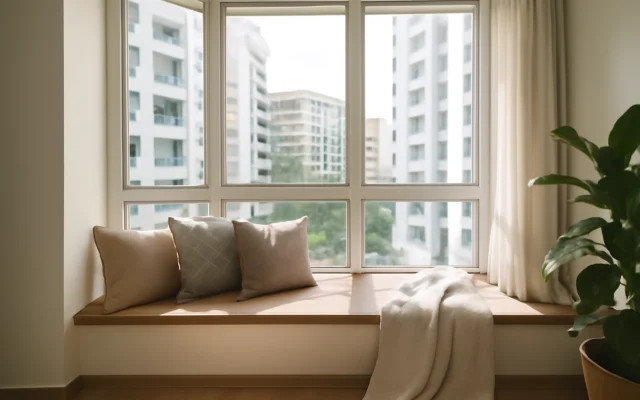
Japandi marries the function and warmth of Scandi with the restraint and craft of Japanese design. The result is calm and grounded: natural materials (wood, stone, linen, rattan), a palette of muted, earthy neutrals, and clean, low-profile furniture with plenty of breathing space around it.
Getting the look
Choose warm wood tones and matte, natural finishes; keep the palette to soft earthy neutrals; and embrace “less but better” — a few well-made, intentional pieces rather than lots of stuff. Built-in carpentry with clean, handle-less fronts keeps surfaces serene and clutter hidden.
Why it suits Singapore
Japandi’s calm minimalism works well in compact homes, and its natural, breathable feel suits our climate and the desire for a restful retreat from the city. It pairs naturally with Scandinavian and minimalist sensibilities.
Frequently asked questions
What is Japandi style? A blend of Japanese minimalism and Scandinavian warmth — calm, natural and uncluttered.
What colours suit Japandi? Muted, earthy neutrals with warm wood tones.
Is Japandi the same as minimalism? It’s related but warmer and more natural than stark minimalism.
Does Japandi work in HDB flats? Yes — its calm, space-conscious style suits compact homes well.
Drawn to Japandi?
We bring the Japandi look to life with the right materials and joinery. See our home renovation service. Book a consultation.