Renovation
Layered Lighting Design for Singapore Homes
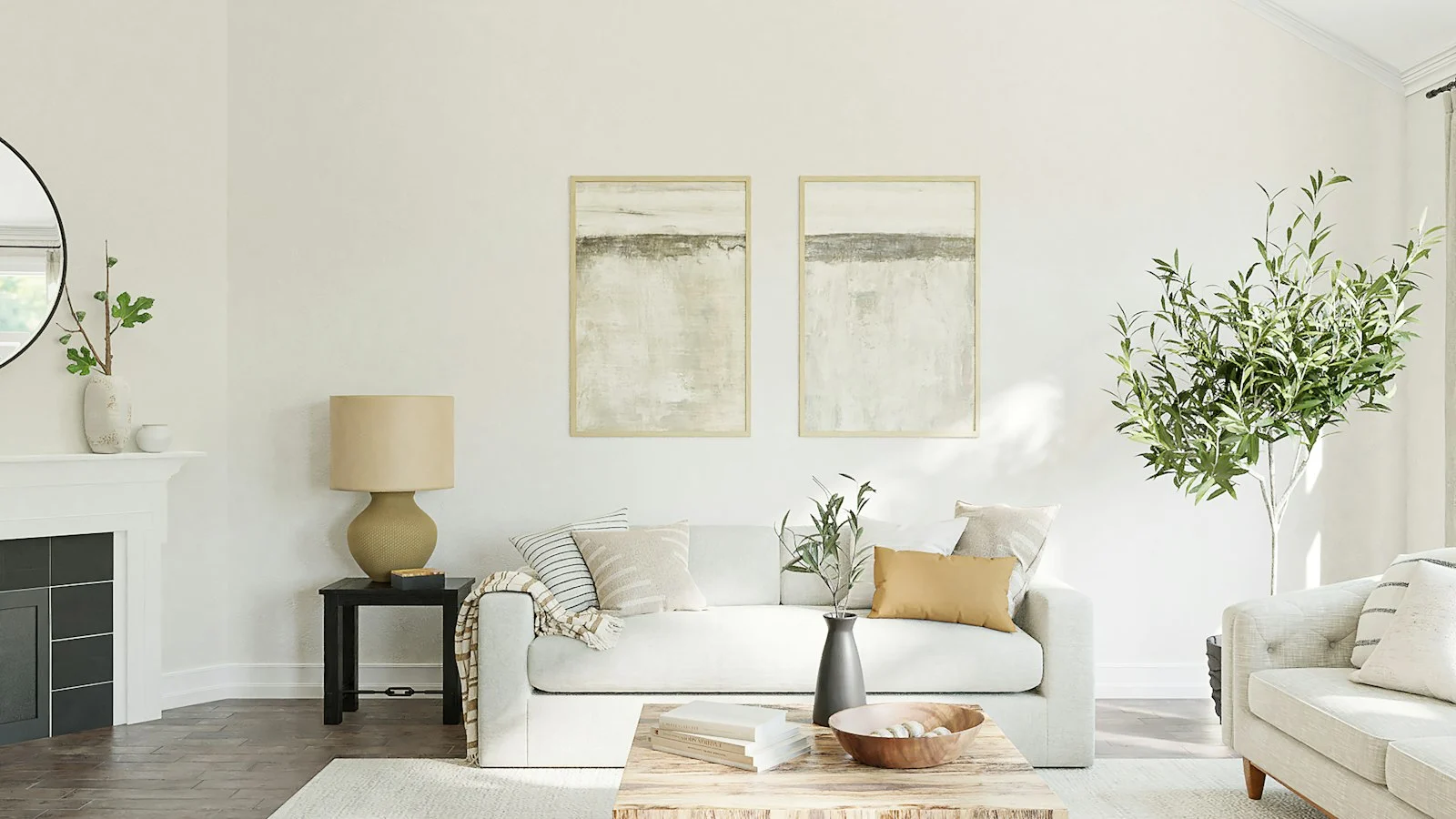
The single ceiling light in the middle of a room is the enemy of good lighting. The secret to a home that feels warm and considered is layered lighting — combining several types. Here’s how it works.
Key takeaways
- Layered lighting combines ambient, task and accent light.
- It creates warmth, depth and flexibility — not flat, harsh light.
- Use dimming and scenes to change the mood.
- Plan the layers and wiring during renovation.
The three layers
Ambient lighting is the general glow (e.g. downlights, cove lighting). Task lighting serves specific activities (under-cabinet, desk, reading). Accent lighting highlights features (pendants, spotlights on art or a feature wall). Using all three gives a room depth and warmth.
Why it matters
One bright central light is flat and unflattering; layers let you light different areas for different needs and create atmosphere. With dimming and scenes, one room can shift from bright and functional to warm and relaxed.
Plan it in
Because layered lighting needs multiple circuits and fittings, it’s best planned during a renovation — mapping the layers and wiring with your electrician, including any false ceiling for recessed and cove fittings.
Frequently asked questions
What is layered lighting? Combining ambient, task and accent lighting rather than relying on one central light.
Why is one ceiling light not enough? It’s flat and harsh; layers add warmth, depth and flexibility.
Can I change the mood? Yes — dimming and scenes shift a room from functional to relaxed.
When should I plan lighting? During renovation, so circuits and fittings are wired for the layers.
Rethinking your lighting?
We design layered lighting schemes into renovations. See our home renovation service or electrical service. Book a consultation.