Handyman
Ramp Installation in Singapore: Step-Free Access
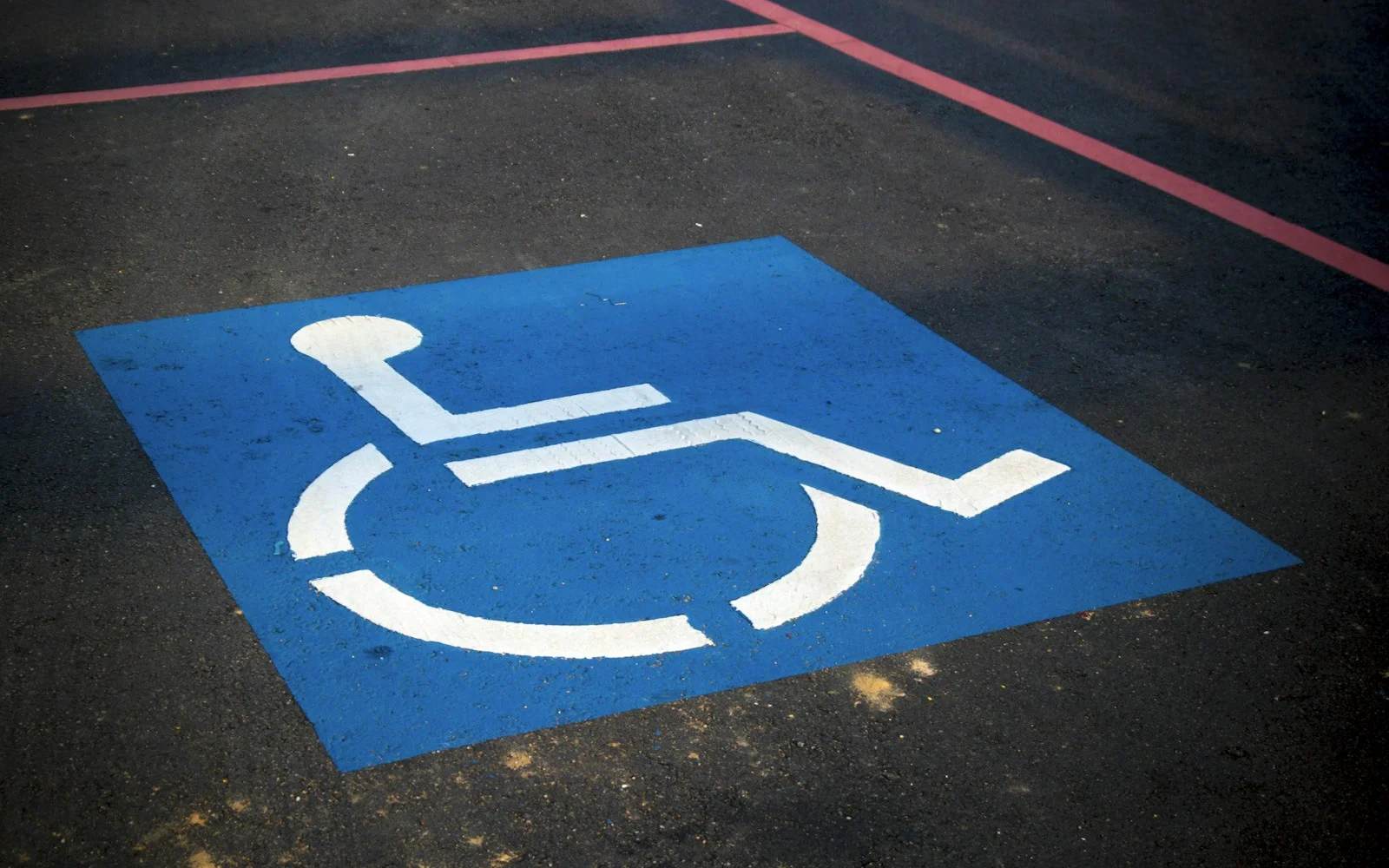
A single step or a raised threshold can be a real barrier for a wheelchair, walker or unsteady footing. Ramps restore step-free access safely. Here’s what to know.
Key takeaways
- Ramps give step-free access over steps and thresholds.
- The gradient matters — too steep is unsafe; gentle is usable.
- Options range from threshold ramps to built-in ramps.
- A non-slip surface and secure fixing are essential.
Where ramps help
Common spots are the main entrance step, raised bathroom or balcony thresholds, and any internal level change. Even a small lip can stop a wheelchair, so a well-made ramp makes a big difference.
Getting the gradient right
A ramp that’s too steep is hard and unsafe to use; the aim is a gentle, usable gradient with a non-slip surface. Small threshold ramps solve door lips; longer built-in ramps handle bigger rises where there’s room.
Safe and secure
Whatever the type, a ramp must be securely fixed, stable and non-slip, with handrails where needed. It’s worth fitting properly — see also anti-slip flooring and HDB’s EASE programme.
Frequently asked questions
How steep should a ramp be? Gentle enough to use safely — too steep is a hazard; we set a usable gradient.
Can I get a ramp for a door threshold? Yes — small threshold ramps solve raised door lips.
Are ramps slippery when wet? They shouldn’t be — a non-slip surface is essential.
Does EASE cover ramps? The EASE programme supports certain accessibility works — check eligibility.
Need step-free access?
We install safe, non-slip ramps for thresholds and entrances. See our handyman service. Get a free quote today.