Plumbing
Smelly Drain at Home? Causes and How to Fix It
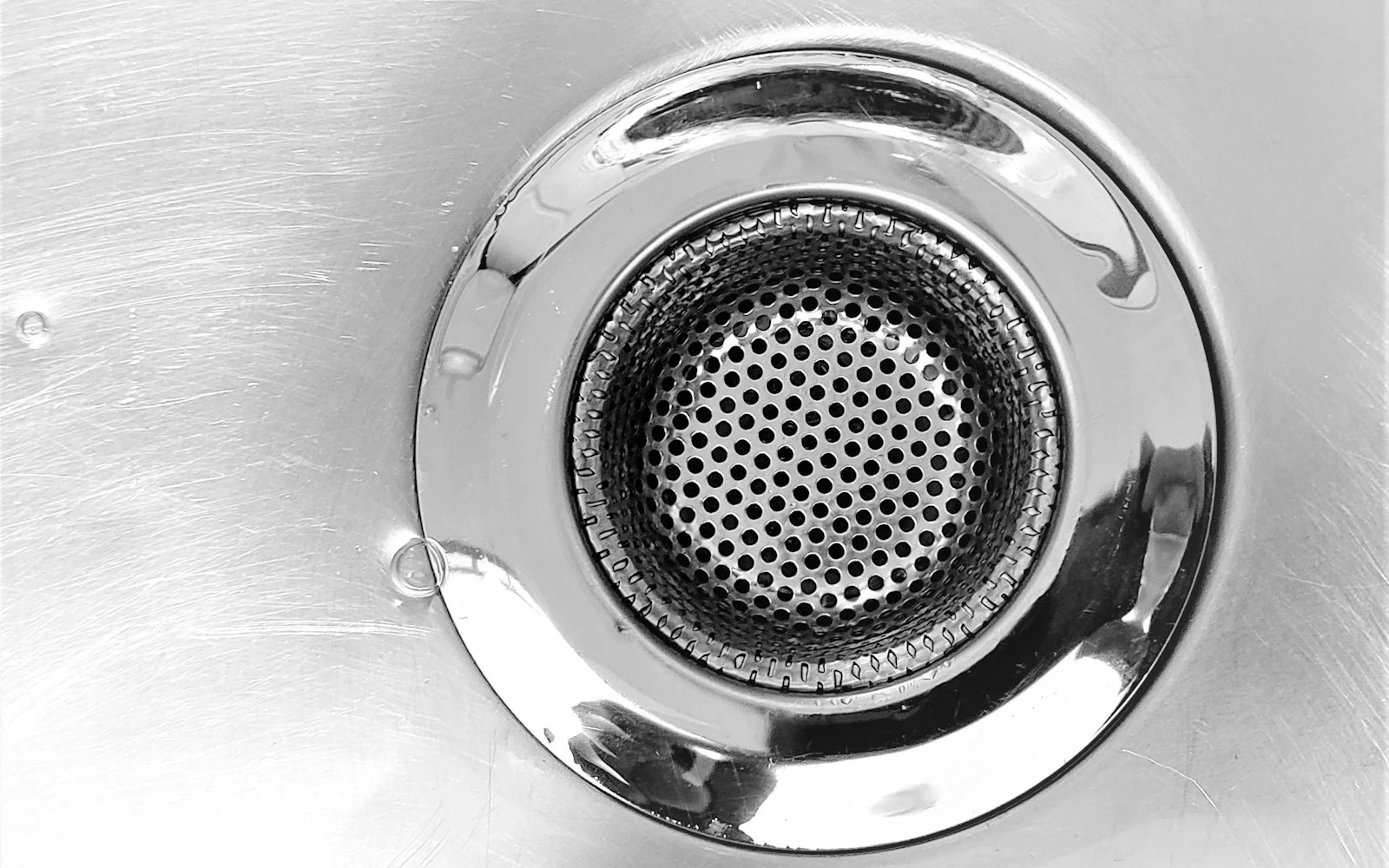
A foul smell drifting up from a sink or floor drain is unpleasant and often a sign that something needs attention. The good news: most drain odours have simple causes. Here’s what’s usually going on and how to fix it.
Key takeaways
- Most drain smells come from trapped food, grease or gunk in the pipe.
- A dry U-bend or floor trap lets sewer gas rise — running water often fixes it.
- Avoid harsh chemical drain cleaners; they can damage pipes and seals.
- A persistent smell with slow drainage points to a deeper blockage.
Common causes
In kitchens, the usual culprit is a build-up of grease and food waste coating the pipe. In bathrooms and behind washing machines, a dry trap — the water-filled U-bend or floor trap that normally blocks sewer gas — can let odours through if it hasn’t been used in a while. Hair and soap scum add to the mix.
Simple fixes
Run water through little-used drains to refill the trap, clean removable strainers, and flush kitchen drains with hot water to shift light grease. Skip the strong chemical drain cleaners — they’re harsh on pipes and seals and often don’t reach the real blockage.
When to call a plumber
If the smell persists, comes with slow drainage, or affects several fixtures, there’s likely a deeper blockage or a venting issue that needs proper clearing rather than a surface fix.
Frequently asked questions
Why does my drain smell like sewage? Often a dry trap letting sewer gas up, or trapped waste in the pipe — running water and cleaning usually help.
Are chemical drain cleaners safe? They can damage pipes and seals and often miss the real blockage — better avoided.
Why does the smell come back? A deeper blockage or venting problem may remain — that needs a plumber.
Can a floor trap cause smells? Yes — if it dries out, sewer gas can rise; running water refills it.
Clear it properly
We clear stubborn drain odours and blockages at the source. See our plumbing service and read about choked sinks and drains. Get a free quote today.