Painting
Waterproof Paint in Singapore: Does It Work?
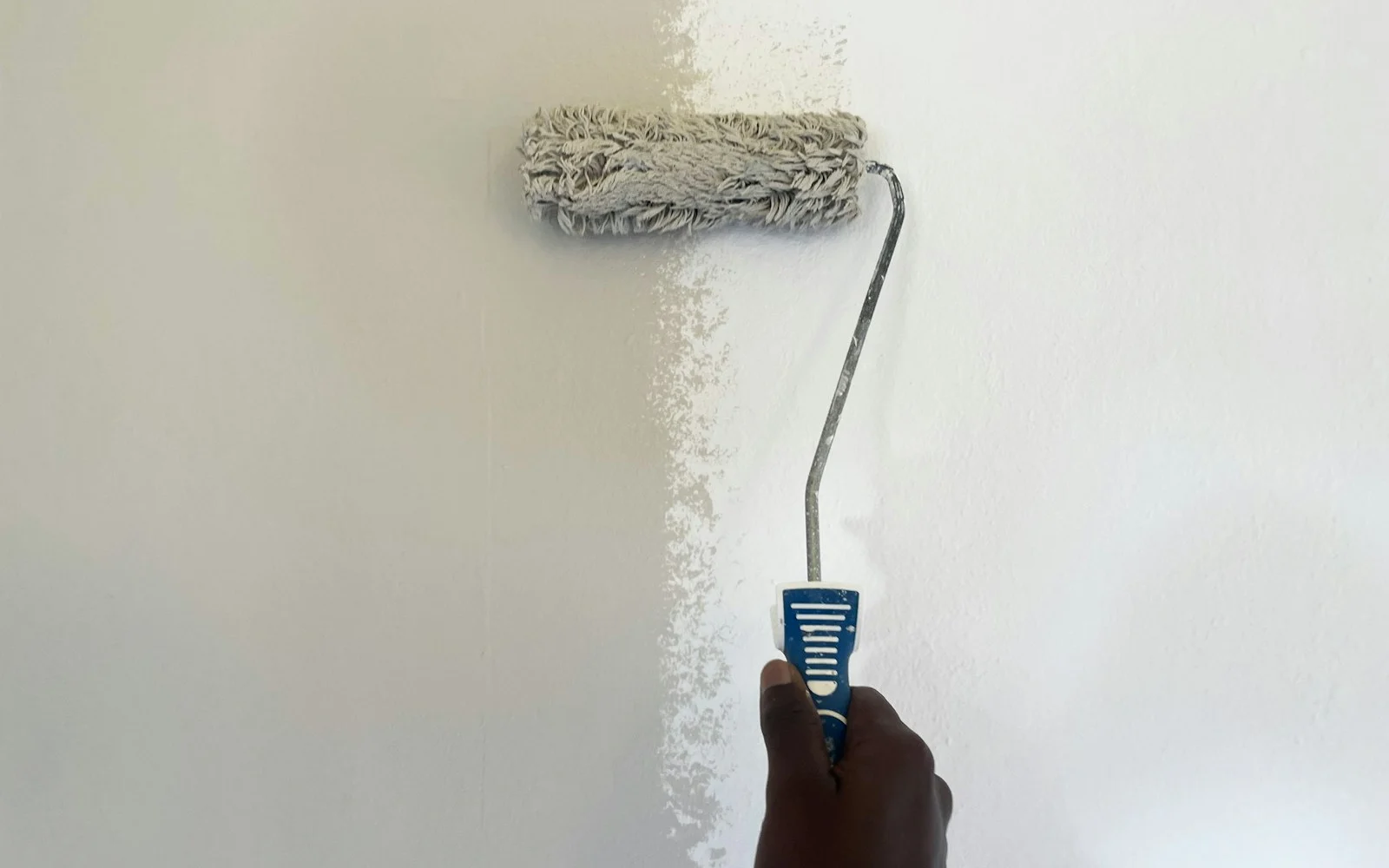
Faced with a damp wall or mouldy corner, many people reach for “waterproof” or “anti-damp” paint. It has a role — but it’s often misunderstood. Here’s what these paints actually do, and when they’re not the answer.
Key takeaways
- Waterproof/anti-damp paints resist surface moisture and mould — a helpful barrier.
- They are not a substitute for proper waterproofing of a leaking structure.
- If water is coming through the wall, fix the source first.
- Best used as part of a solution, not a cover-up.
What waterproof paint does
Anti-damp and waterproof coatings add a moisture-resistant surface layer that helps repel light surface damp, resist mould and improve durability in humid or splash-prone areas. Used on a sound, dry wall, they’re a useful part of the finish.
What it can’t do
Where water is actively coming through the wall — from a leak, failed membrane or external ingress — a coat of paint won’t hold it back for long. The pressure and volume of real water intrusion needs proper waterproofing and the source fixed. Painting over active seepage only hides it briefly.
Using it well
Think of waterproof paint as a finishing barrier on a wall that’s already sound and dry — not a cure for a leak. Diagnose and fix any real water problem first, then a moisture-resistant paint helps keep the surface fresh.
Frequently asked questions
Does waterproof paint stop leaks? No — it resists surface damp but won’t hold back water coming through the structure.
Will anti-damp paint stop my mould? Only if the moisture source is addressed — otherwise mould returns.
When should I use it? On a sound, dry wall as a moisture-resistant finish, not to cover a leak.
What if water is coming through the wall? Fix the source and waterproof properly — paint alone won’t solve it.
Have a damp problem?
We diagnose the cause and fix it properly, then finish it cleanly. See our waterproofing service or our painting service. Get a free assessment.