Maintenance
Grout cleaning vs regrouting: which does your bathroom need?
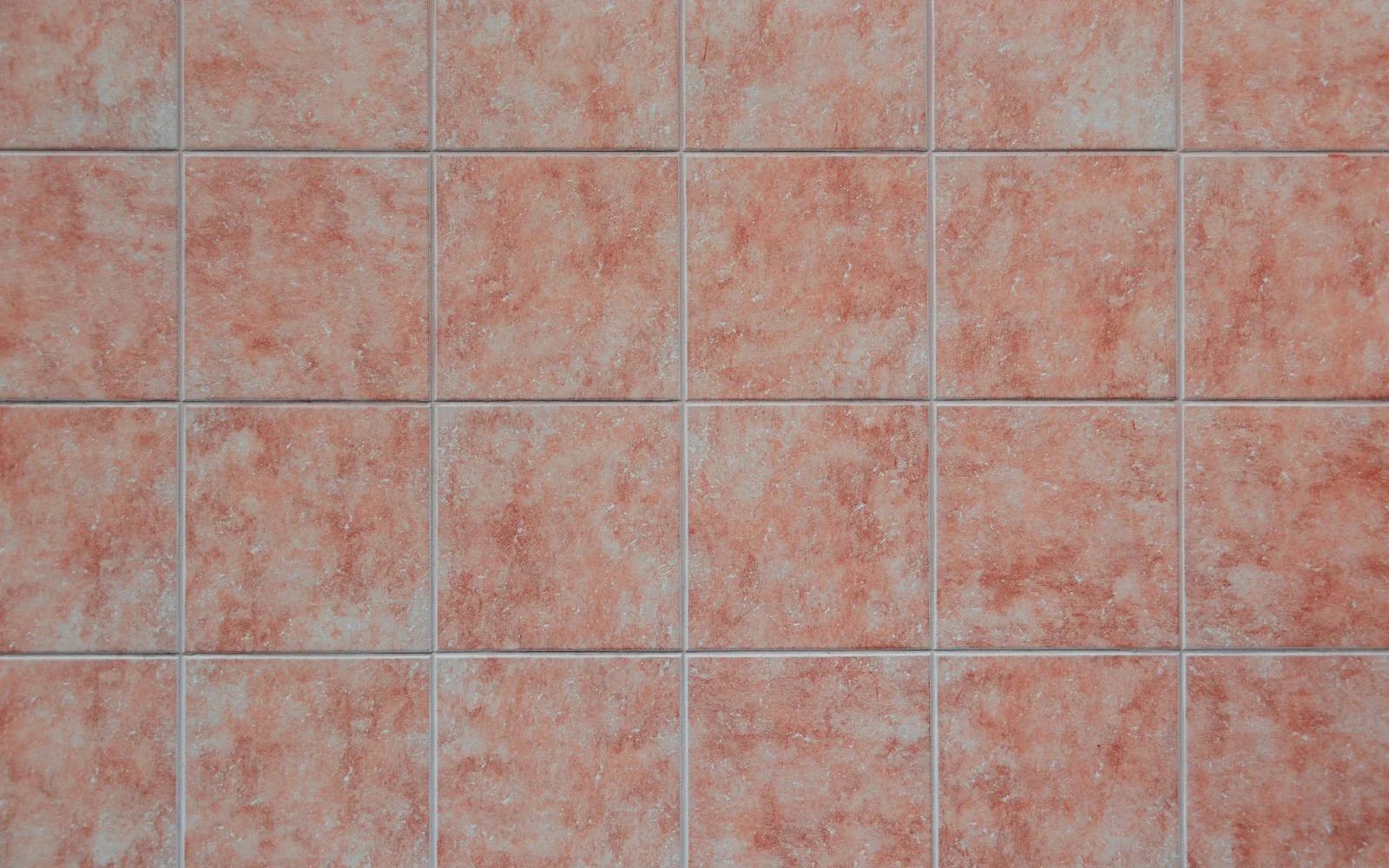
Grimy, discoloured or crumbling grout makes even a clean bathroom look tired — and when grout fails, it can let water past the tiles and undermine your waterproofing. Knowing whether you need a simple clean or a full regrout saves you effort and money. This guide explains the difference and when each applies.
Key takeaways
- Cleaning restores discoloured but sound grout — a cosmetic fix.
- Regrouting replaces cracked, crumbling or missing grout — a functional fix.
- Failing grout lets water in, so regrout when it’s breaking down.
- Neither replaces waterproofing if the membrane has failed.
What grout does (and why it matters)
Grout fills the gaps between tiles, keeping them in place and helping keep surface water from getting behind them. It’s not your primary waterproofing — that’s the membrane beneath — but failed grout lets water sit in the gaps and can accelerate problems. So grout that’s cracking or missing isn’t just cosmetic.
When cleaning is enough
If your grout is intact but simply discoloured, stained or mildewed, it usually just needs a proper clean. A grout-specific cleaner and some effort restores the colour, and sealing the grout afterwards helps it stay cleaner for longer. If the grout is sound and only looks dirty, you don’t need to regrout.
When you need to regrout
Regrouting — raking out the old grout and applying new — is the answer when the grout is cracking, crumbling, missing in places, or so ingrained with mould that cleaning won’t shift it. Persistent mould that returns despite cleaning can mean the grout (or the silicone at corners and edges) has failed and is holding moisture. Fresh grout and new silicone seals restore both the look and the water resistance at the surface.
When it points to a bigger problem
If grout keeps failing, or you’re seeing signs like ceiling stains below or recurring damp, the issue may be deeper — a failing waterproofing membrane rather than just the grout. In that case, regrouting alone won’t solve it; the membrane needs attention. Read the 5 signs your bathroom needs re-waterproofing.
Frequently asked questions
Can I clean grout instead of regrouting? If it’s intact and just dirty, yes — cleaning and sealing is enough. Regrout only when it’s cracked, crumbling or missing.
Why does my grout keep going mouldy? Trapped moisture and poor ventilation — and sometimes failed grout or silicone holding water. Fix the source, not just the surface.
Is regrouting the same as waterproofing? No — grout is surface-level; waterproofing is the membrane beneath the tiles. Regrouting won’t fix a failed membrane.
Should I reseal grout after cleaning? Yes — sealing helps it resist staining and stay cleaner.
The bottom line
Clean intact-but-dirty grout; regrout when it’s cracked, crumbling or won’t come clean. And if grout keeps failing or damp persists, look deeper — it may be the waterproofing, not the grout.
Grout or damp problems? See our waterproofing service for anything beyond surface grout. Get a free assessment today.