Electrical
Planning Kitchen Power Points in Singapore
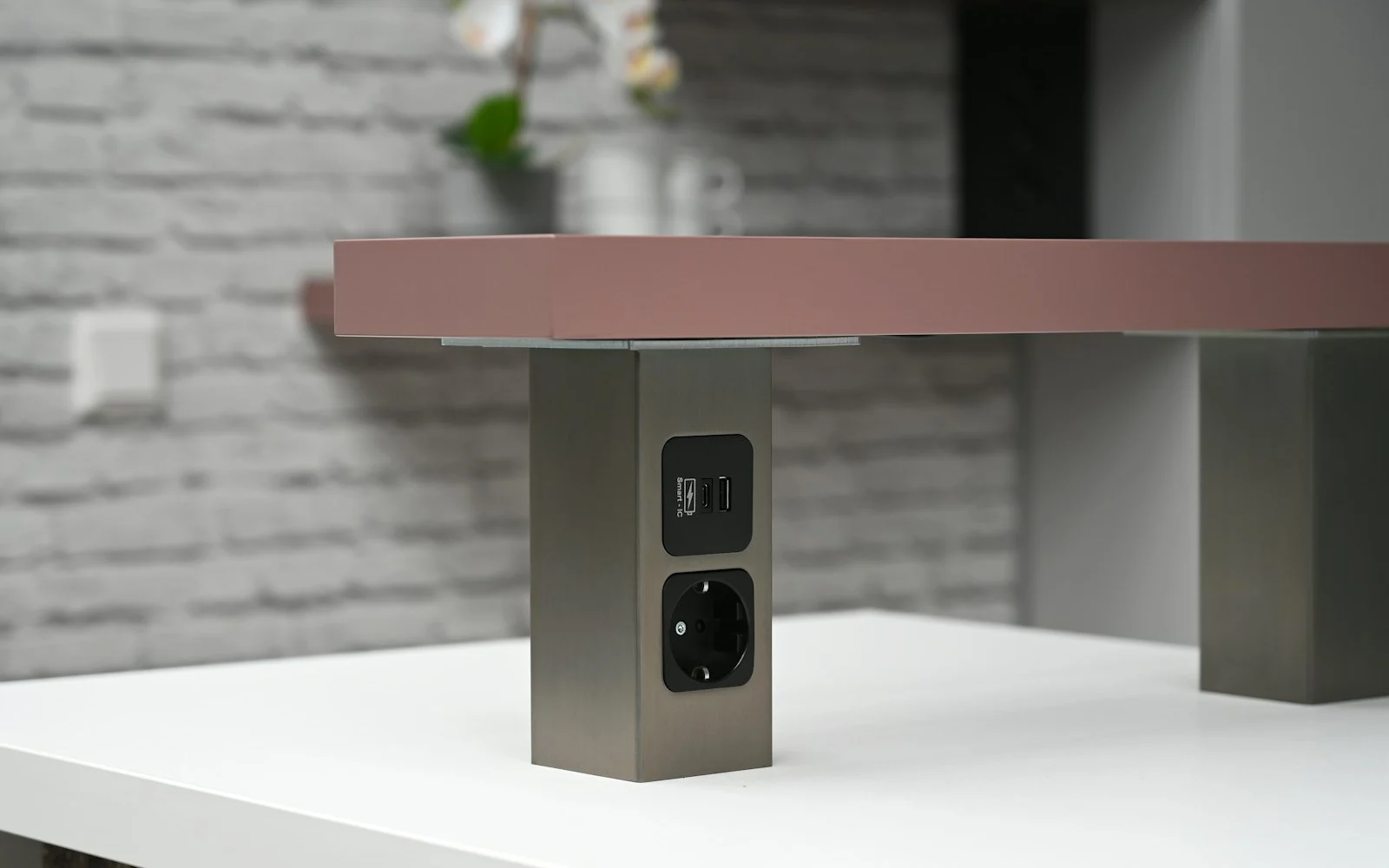
The kitchen is the most appliance-heavy room in the home, and too few or badly-placed power points cause daily frustration (and dangerous adaptor chains). Planning them during renovation gets it right. Here’s how.
Key takeaways
- Kitchens need plenty of well-placed power points.
- Big appliances (oven, hob, dryer) often need dedicated circuits.
- Plan for both fixed appliances and worktop use.
- Getting it right during renovation avoids adaptor chains later.
Map your appliances
List everything: the oven, hob and hood, fridge, dishwasher, microwave, plus worktop appliances (kettle, toaster, mixer, coffee machine). Each fixed appliance needs a point in the right spot; worktops need enough sockets for daily use.
Dedicated circuits
High-draw appliances — ovens, induction hobs, some dryers — often need their own dedicated, adequately-rated circuits from the board, not shared sockets. An electrician sizes these to the appliances.
Plan during renovation
Because kitchen wiring is concealed, planning points during the renovation (as part of the M&E) is far cleaner than adding them later. Think about where you’ll actually stand and work.
Frequently asked questions
How many power points does a kitchen need? Enough for every fixed appliance plus generous worktop sockets — mapped to your appliances.
Do ovens and hobs need their own circuit? High-draw ones usually need dedicated, rated circuits.
When should I plan kitchen sockets? During renovation, while wiring is concealed.
Why avoid adaptor chains? They overload sockets and are a fire risk — proper points are safer.
Planning a kitchen?
We plan and install kitchen power points and circuits safely. See our electrical service or plan it into a renovation. Get a free quote today.