Electrical
Steam & Combi Oven Installation in Singapore
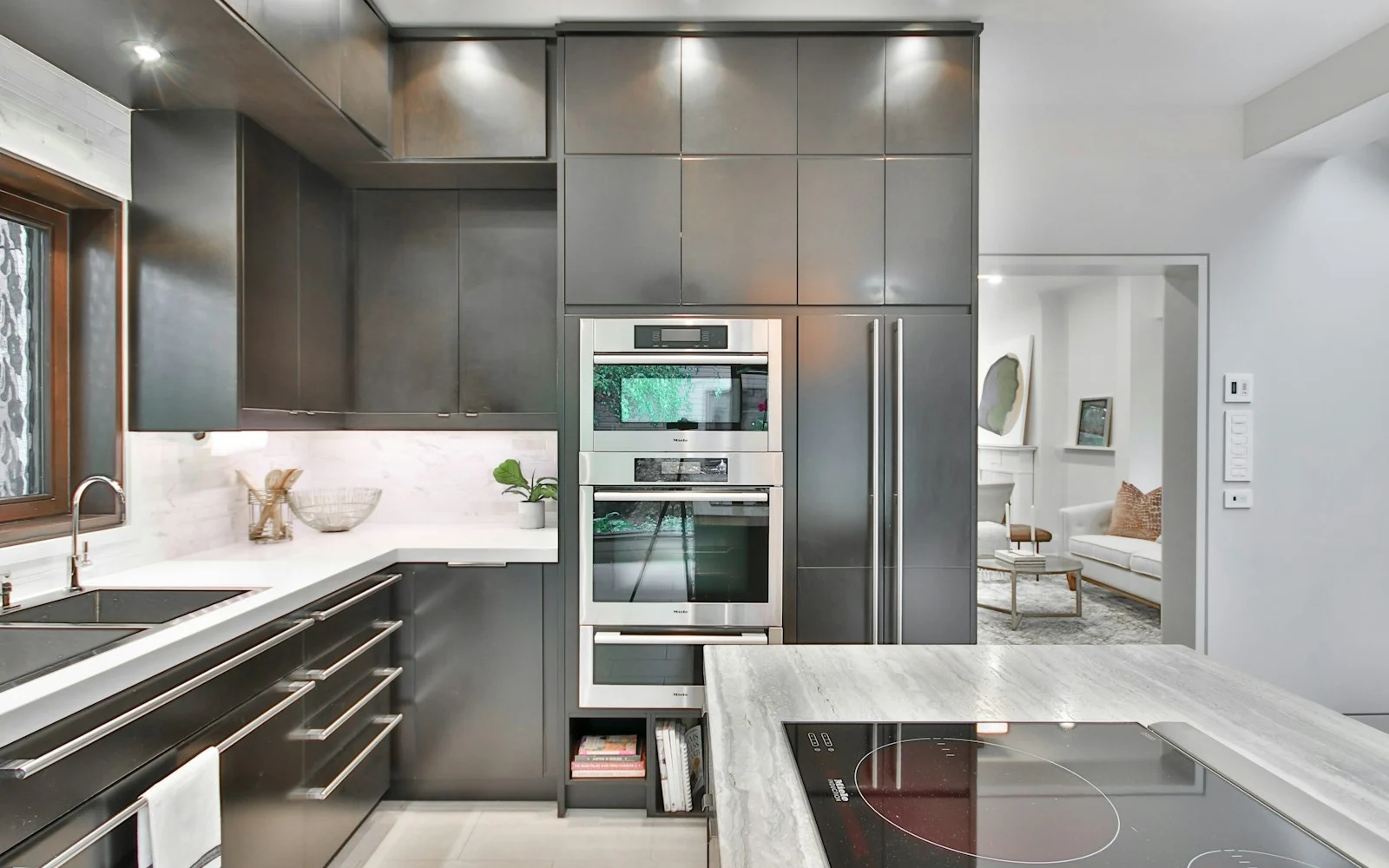
Steam and combination (combi) ovens have become popular for healthier, versatile cooking. As built-in appliances, they need the right electrical supply and, for plumbed models, a water connection. Here’s what to know.
Key takeaways
- Steam/combi ovens often need a dedicated electrical circuit.
- Some are plumbed (mains water); others use a fillable tank.
- They fit into cabinetry with correct clearances.
- Plan the supply and housing before the kitchen is built.
Power and water
Like a built-in oven, a steam or combi oven typically needs a dedicated, adequately-rated circuit — an electrician’s job. Some models are plumbed to the mains for a continuous water supply (needing a plumbing connection); others use a refillable internal tank, which is simpler to install.
The cabinetry fit
The oven slots into the cabinetry with the correct cut-out and ventilation clearances, mounted secure and level. As always, choose the appliance before the kitchen carpentry so the housing and services are right.
Plan it in
Confirming the model — plumbed or tank, and its electrical needs — during a renovation avoids awkward retrofits later.
Frequently asked questions
Does a steam oven need plumbing? Plumbed models do; tank models just need refilling — check your model.
Does it need a special circuit? Usually a dedicated, higher-rated circuit like a built-in oven.
Can it be added to an existing kitchen? If the cabinetry and supply suit it — otherwise it’s planned during renovation.
Who installs it? An electrician for power (and a plumber for plumbed models) plus a proper cabinetry fit.
Installing a steam oven?
We install steam and combi ovens with the right power and water. See our electrical service. Get a free quote today.